
Restaurant rent: Why rent decides restaurant turnover before cooking does
The lease decides how long a Manhattan dining room lives: corridor asking rents, percentage rent clauses, and the ledger that ends tenancies before reviews do.
The lease decides how long a Manhattan dining room lives: corridor asking rents, percentage rent clauses, and the ledger that ends tenancies before reviews do.
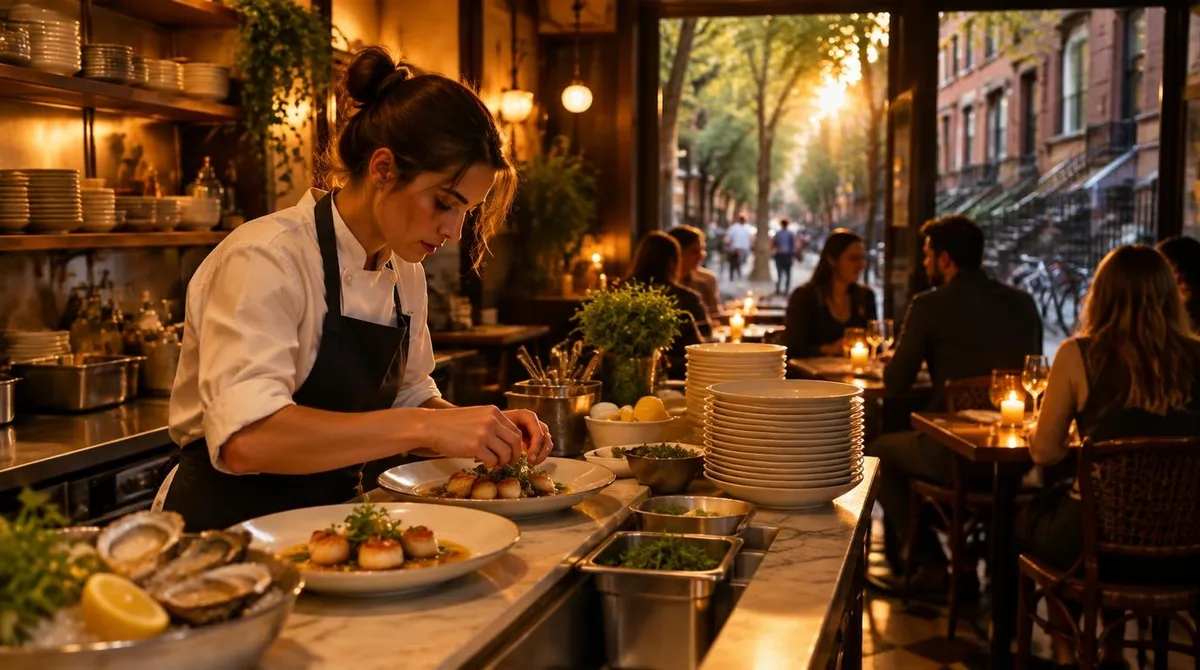
A residency is the audition before the lease: a short run in a borrowed kitchen that tests a menu and a block. Dame went from pop-up to 24 seats at 87 MacDougal Street.

Table manners exist for simple reasons: cleanliness, consideration, and the unity of the group. The rules that still matter, where they came from, and why they survive.

Asking rents near the bowtie hit $1,555 per square foot in mid-2025. The rent, the visitor flow, and the one-visit guest explain every menu in Times Square.
Midtown lunch counters survived the office exodus by shrinking to the weekday grid: Monday-to-Friday hours, counter service, and a take-out window near the trains, with office attendance still below pre-pandemic levels.
A James Beard Award does not change the menu or the lease. It changes demand. Semma's Vijay Kumar won Best Chef: New York State in June 2025, and the medal rewired the room's economics.
Measure the room, pick a shape that keeps traffic moving, check the height band, and let a removable leaf handle holiday crowds. A step-by-step guide to the first dining table set.

The finger-and-thumb sign a cook gives a perfect plate started as Italian kitchen shorthand. Now it runs the internet.
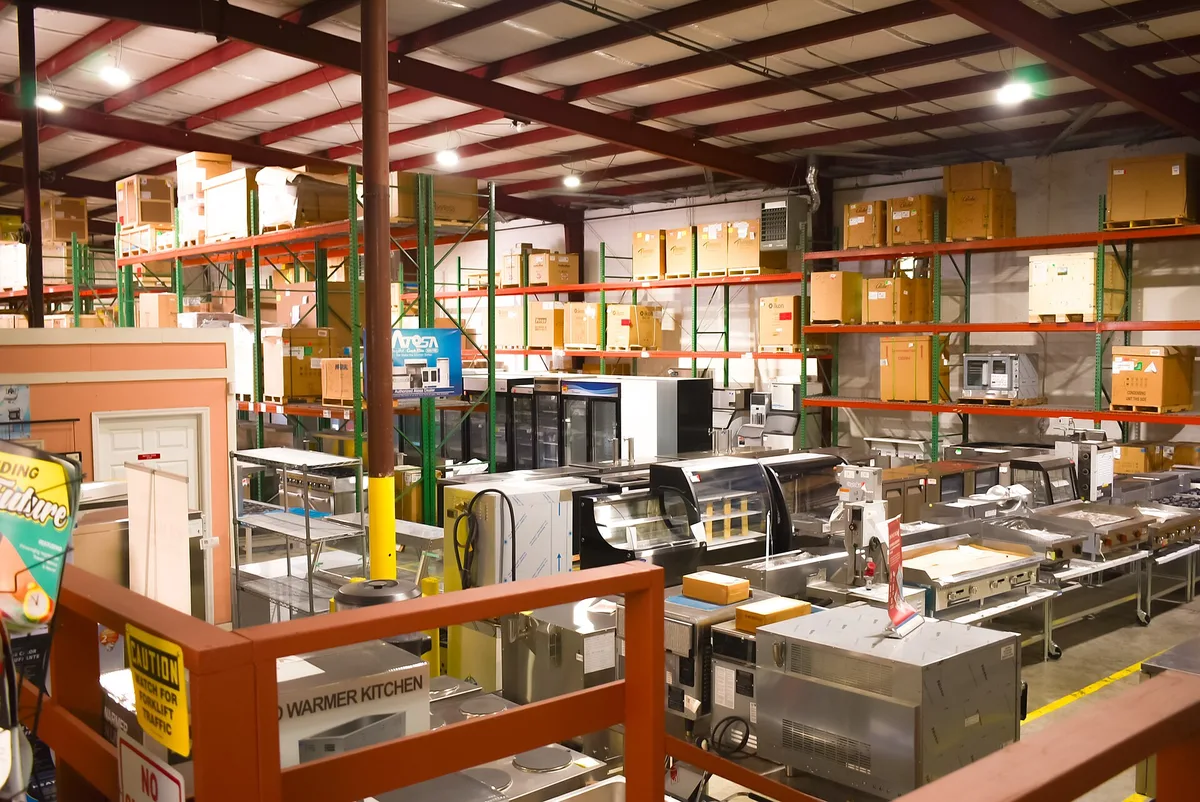
The supply chain behind a Manhattan tasting menu runs through wholesalers most diners never see. Here is how specialty distribution actually works, step by step.
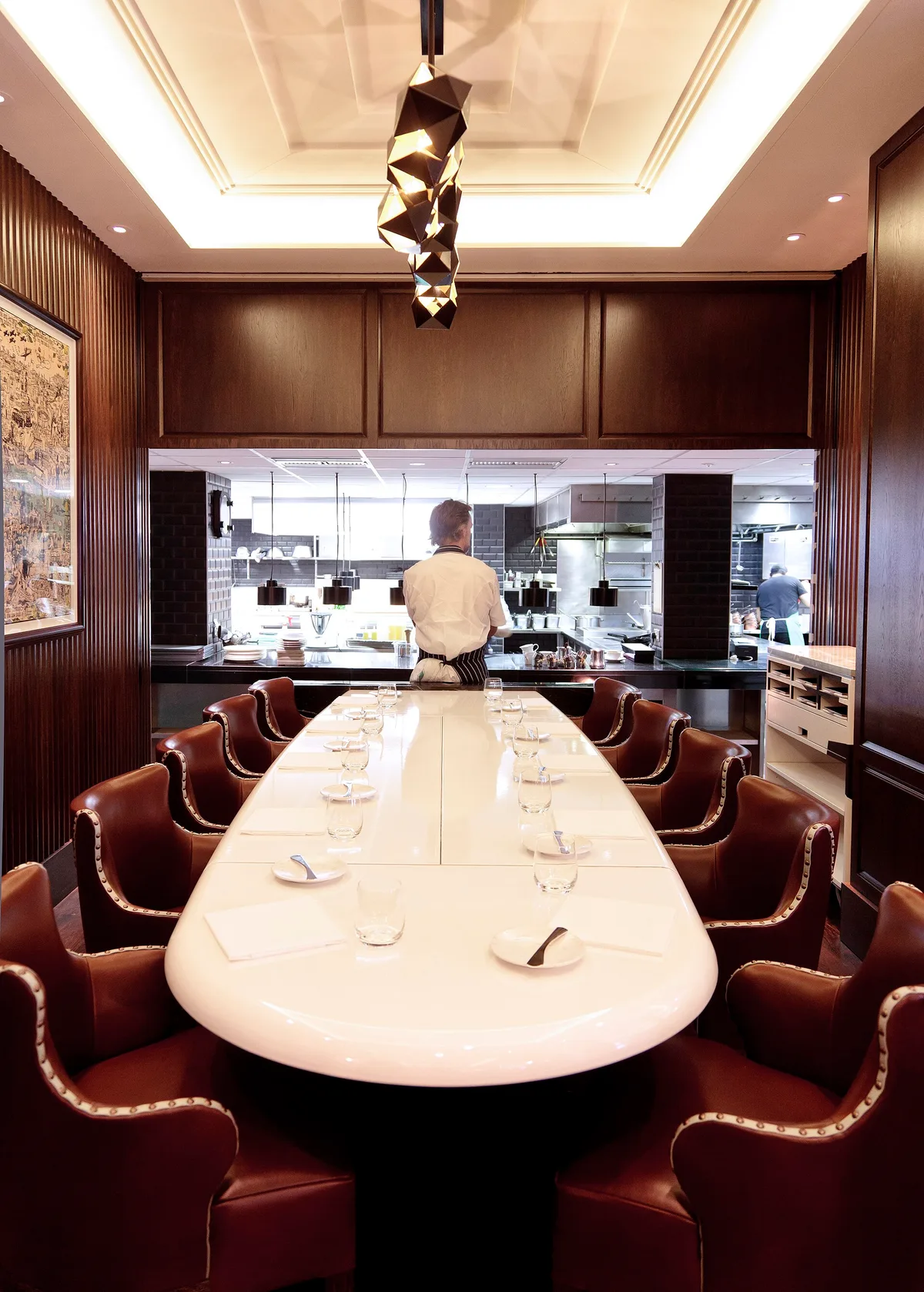
Counter dining inside the kitchen, a tasting menu cooked in front of you, and a reservation that works differently from every other table in the room.

The three decisions that matter when you buy a chefs knife, and the marketing that shouldn't sway you.

Permits, commissaries and corner-store economics, explained — plus how to read a good cart from the line alone.
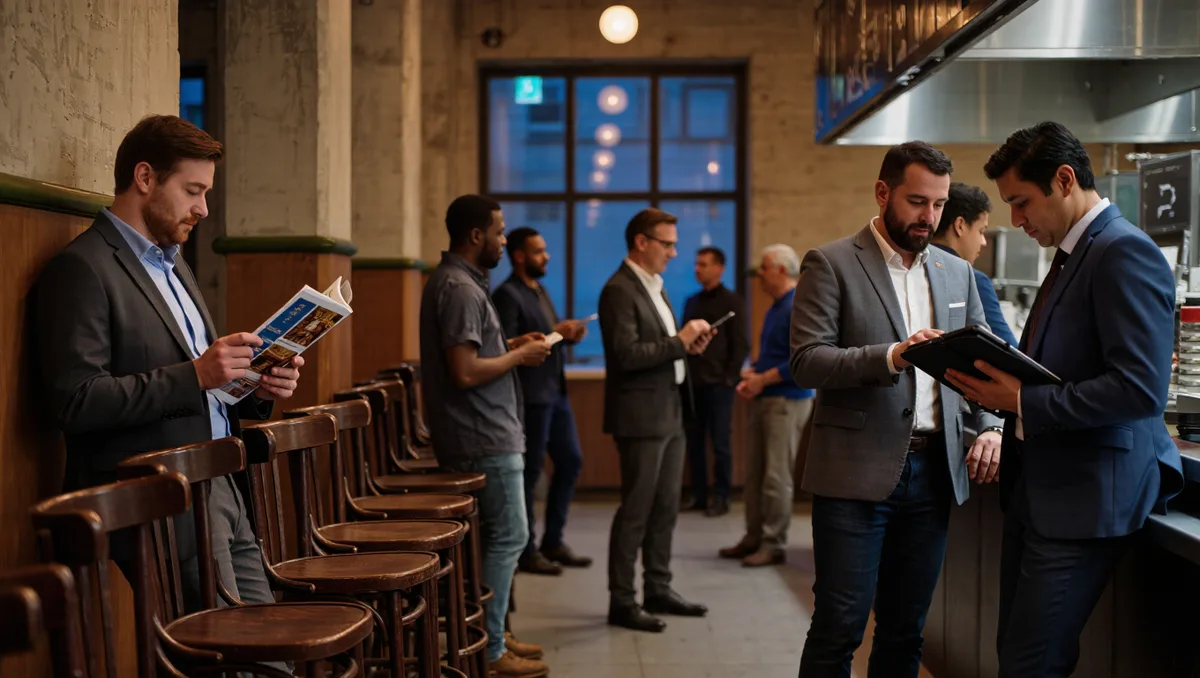
The library-based pass model, explained: what it covers, how reservations work, and how to build a museum day around it.
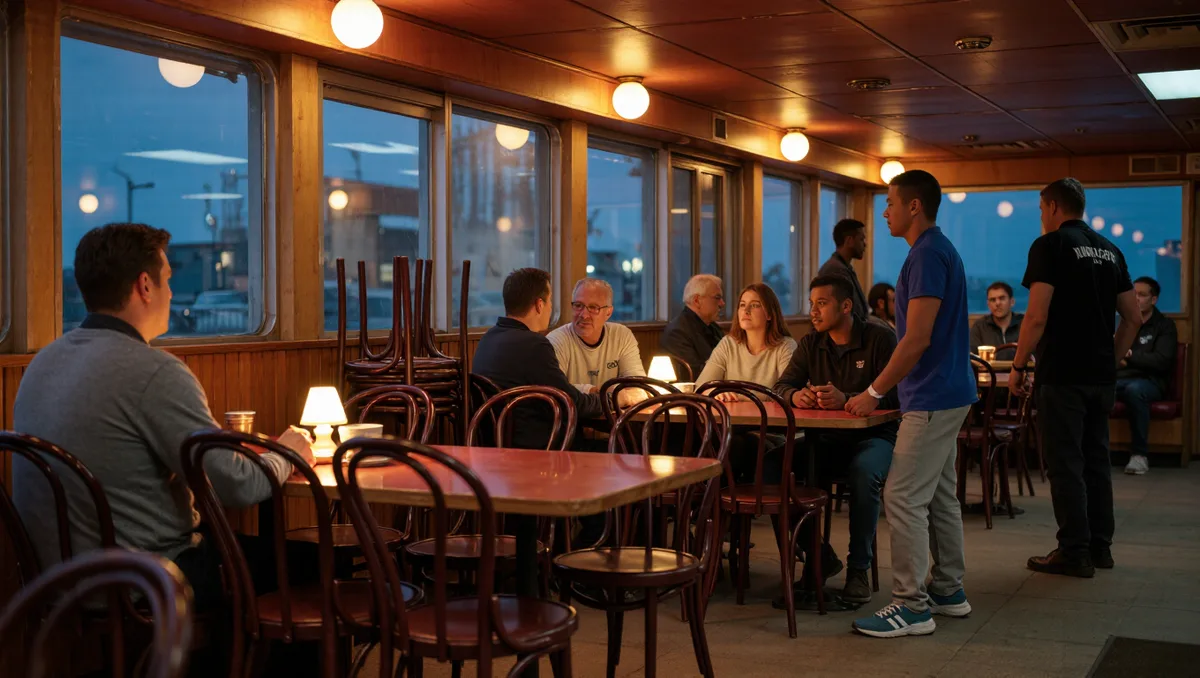
When a screen shows a table, audiences want the table. Here is how that desire moves through the restaurant business.

Rebuilding a working kitchen without closing the dining room is a scheduling problem, a permit problem, and a regulars problem all at once.

A working setup for tracking openings, closings, and menu changes on your own blocks — with the sources that actually break them first.

A working map of the reporters, trade press, and public records that surface Boston openings and closings before anyone else.

The rent math, the captive audience, and the counter moves that keep a gate-side meal from wrecking a travel budget.

A simple framework for trips built around markets, tastings, and the reservations that matter most.
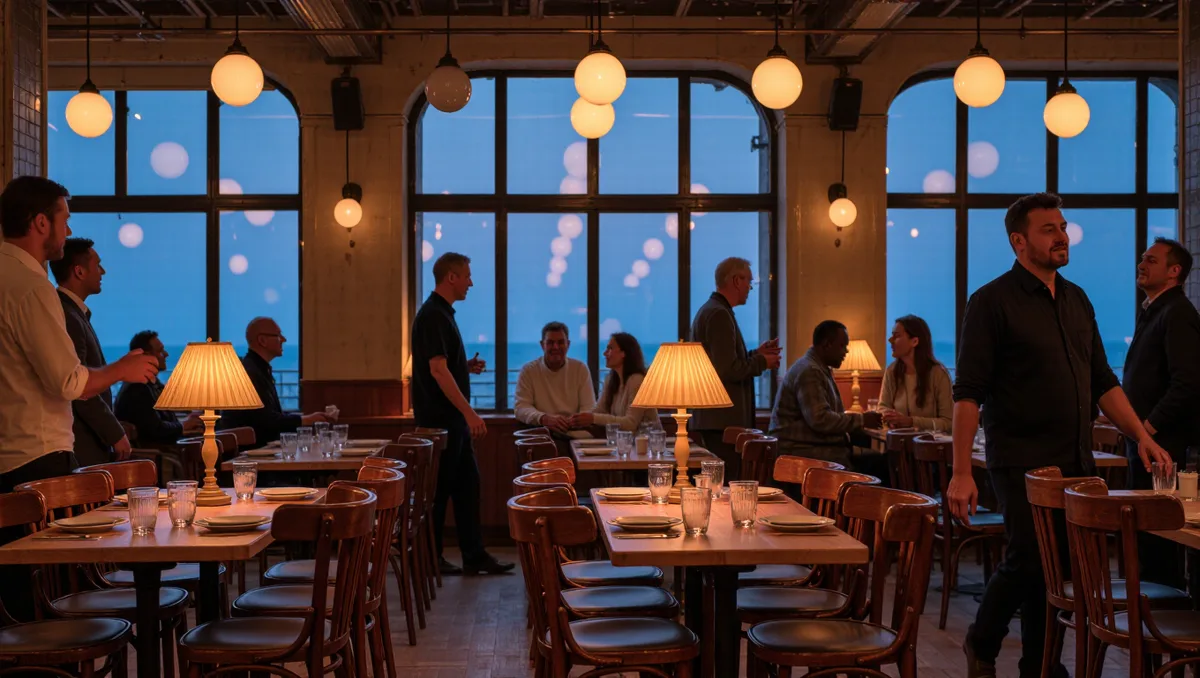
Which headlines change what you book, and which ones you can safely scroll past.