Manhattan Chinatown is not one dining neighborhood but at least five, and eating it well means reading the geography: Cantonese BBQ along Mott and the Bowery, Fujianese soup shops pushing east toward Eldridge, dim sum in the lanes off Pell, and the bakeries and pork-bun counters threaded through all of it. The district remains one of the densest eating zones in the city — hundreds of food businesses below Canal Street — and the practical guide that follows is organized by zone, with criteria stated up front: every entry below is a long-operating establishment as of March 2026, chosen for being representative of its block rather than for novelty. Prices at these counters run from a few dollars for a bun to roughly $20 a person for a full table, and this guide does not rank; it maps.
What are the zones of Chinatown?
The core Cantonese blocks run south and east from Canal Street: Mott Street from Canal to Chatham Square is the traditional spine, Pell and Doyers hold the oldest dining rooms, and the Bowery from Canal to Division is the BBQ-and-noodle corridor. East Broadway, east of the Bowery, is the center of the neighborhood's large Fujianese community, with its own soup and noodle repertoire. And the edges — Bayard, Mulberry, and the blocks west toward Little Italy — are the mix zone where the oldest Italian ties and the oldest Chinese kitchens sit a door apart. Order by zone, not by list, and the district opens up.
The Cantonese core: BBQ and the Mott Street spine
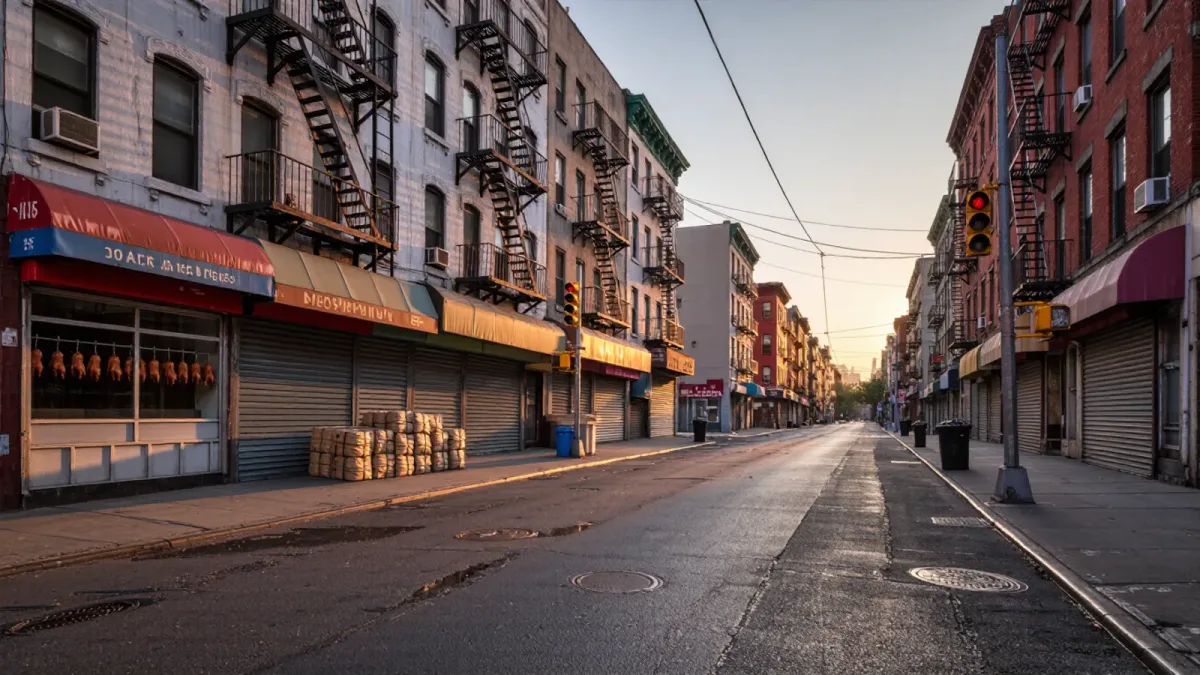
The BBQ windows are the district's defining sight: roasted ducks, char siu, and soy chickens hanging in the glass, chopped to order over rice or lo mein. The classical move is a two or three-item BBQ plate — half an hour from window to table, $10 to $16 — and the reliable blocks are Mott between Canal and Bayard and the Bowery near Division. Great New York Noodletown at 28 1/2 Bowery, operating since the early 1980s, remains the corridor's reference point for wonton noodle soup and salt-and-pepper dishes, per its long-standing posted menu. On Mott, the name-brand BBQ rooms fill at lunch with a line out the door; the smaller windows a block east serve the same repertoire to a neighborhood crowd.
Dim sum country: Pell, Doyers, and the teahouses
Dim sum runs from grand to tiny. Nom Wah Tea Parlor at 13 Doyers Street, open since 1920 in the district's crookedest alley, is the oldest counter in the neighborhood and now draws a line on weekends for its vintage dim sum repertoire, per the shop's posted history. The larger banquet rooms around Pell Street and Elizabeth Street run the full rolling-cart or checklist format — order by pencil marks on the grid, paced by the table, $15 to $25 a head for a serious spread. Weekend mornings after 11:30 are the peak; the local rhythm is mid-afternoon, when the carts thin and the rooms empty.
East Broadway: the Fujianese zone
The blocks around East Broadway between the Manhattan Bridge and Rutgers Street are the district's most interesting food frontier for outsiders: Fujianese soup houses, hand-pulled noodle counters, and the stuffed bun shops the community runs on. The repertoire — fish ball soup, peanut butter noodle bowls, and the region's stuffed buns — differs from the Cantonese core, and prices run at the bottom of the district's range. Cash is king on these blocks; menus may be shorter in English, and pointing at the steam table works.
Bayard Street: buns, bakeries, and the standing counters
Bayard between Mott and Mulberry is the district's snack strip. Mei Lai Wah at 64 Bayard Street has long drawn lines for its roast pork buns and pineapple buns, per its posted operation — a bun runs a few dollars, and the counter moves fast. The Chinese bakeries along the same strip run the day's cycle of egg tarts, hot dog buns, and milk teas, restocked from mid-morning. The practical plan: a bun at one counter, a tart at the next, and a congee bowl to sit down with if the morning runs cold.
Where the lines actually tell you something
Two rules separate the honest signals from the tourist ones. A line of neighborhood residents at a BBQ window at 11:30 a.m. is a strong signal — these are customers who eat here weekly. A host standing on Canal Street soliciting for a banquet hall is the reverse; the district's best rooms do not need the sidewalk. And mind the clock: the Cantonese kitchens peak at lunch and wind down by mid-evening, the Fujianese blocks run later, and the neighborhood as a whole is a morning-and-noon district more than a midnight one. The health department's posted inspection results are public for every address below Canal, worth a look before a first visit.
How to order like you belong here
Know the format before you sit: rolling-cart dim sum, checklist dim sum, counter service, or banquet hall — each has its own pacing, and the staff match the customer's fluency. Ask what is fresh rather than what is good; the answer names the fish, the roast, or the noodle of the day. And carry cash: many of the district's counters remain cash-first, with the few card machines reserved for the larger rooms. The district rewards the specific order — name the dish, name the noodle — over the generic one, on every block below Canal.