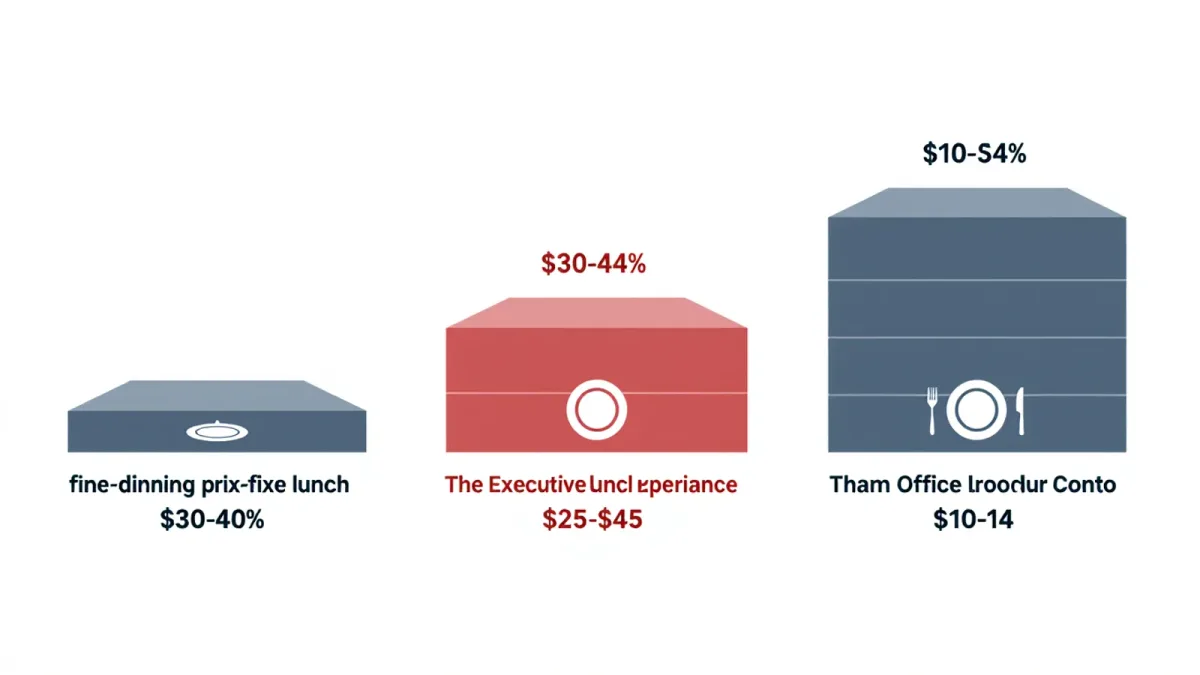
Between 11:30 a.m. and 2:30 p.m. on a weekday, Manhattan runs the densest discount-dining market in the country: prix-fixe lunches at fine-dining counters, three-course lunch menus at $30 to $45 where dinner runs past $100, and the $10-to-$14 combo plate that keeps the office corridors fed. The lunch special exists for one reason — kitchens with empty seats at noon will sell them at a discount — and reading it well is a skill that saves regulars hundreds of dollars a year as of April 2026. This guide explains the formats, the blocks where each thrives, and the tells that separate a real special from a repackaged menu.
Why do lunch specials exist at all?
The economics are fixed-cost arithmetic. A restaurant's rent, insurance, and salaried kitchen run all day; lunch seats that go unsold earn nothing. So operators discount the noon window to fill seats they would otherwise give away — the same logic as the pre-theater menu, applied at 12:30. The diner's rule follows directly: a lunch special is only a special if the dinner menu confirms it. If the same plate costs the same at night, the lunch menu is just a menu. If dinner runs two and a half times the price, you are eating the kitchen's best value window.
The fine-dining prix-fixe lunch
The top of the market's discount is its steepest. Manhattan's fine-dining rooms increasingly run weekday lunch formats — two or three courses, sometimes the same kitchen's shorter tasting — priced at 30 to 40 percent below the dinner equivalent, a pattern visible across the luxury tier in recent seasons. The blocks where this trade lives cluster in Midtown East and around the classic hotel-dining corridors, where the expense-account lunch has been a fixture since the mid-century. Two practical notes: portions at the prix-fixe lunch are full-sized, not tasting-sized, in most rooms; and the format runs weekday-only almost everywhere — the weekend lunch is a different, undiscounted menu.
The office corridor combo
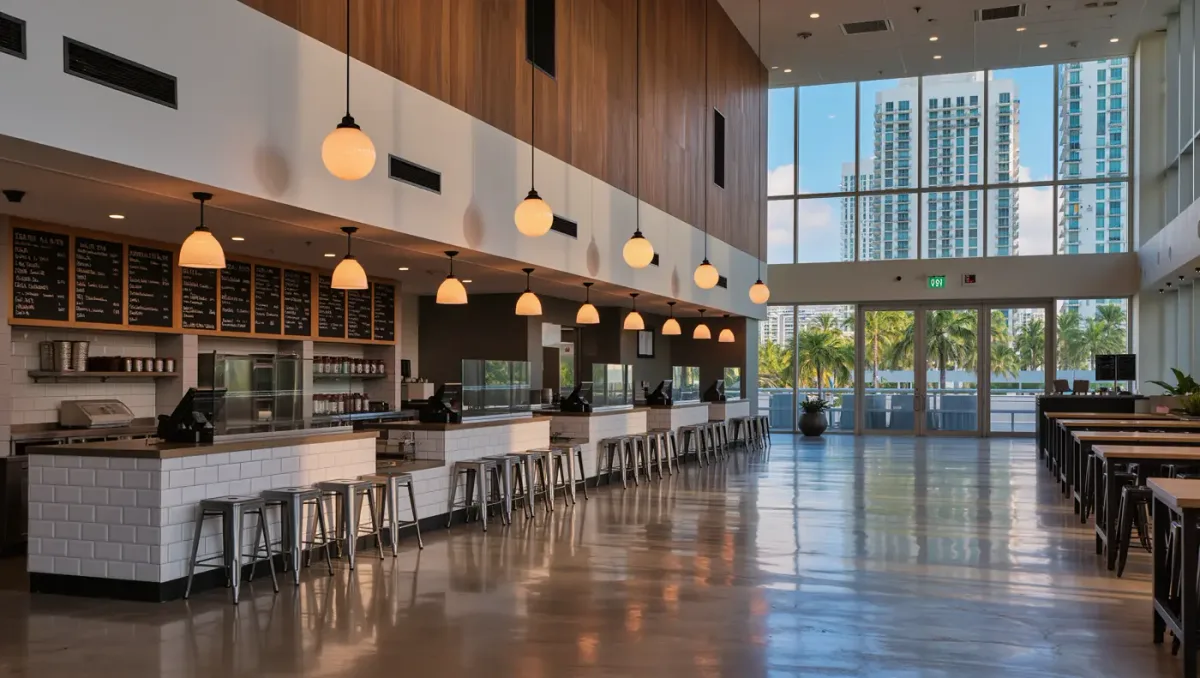
The island's true lunch economics live in the office districts: the Third Avenue blocks east of Lexington, the Sixth Avenue corridor, and the FiDi grid. Here the format is the combo — protein, starch, and salad or soup, $10 to $14, served in under four minutes at the steam-table counters and the quick kitchens that feed the 9-to-5 grid. The volume math is ferocious: a good corridor counter turns its lunch inventory twice and clears before 3 p.m., which is why the specials change daily and why the same counter can look abandoned on a Saturday. The regular's move: order the day's written special, not the menu board — the board prices the standard items; the handwritten card prices yesterday's protein before it walks.
The executive lunch and its siblings
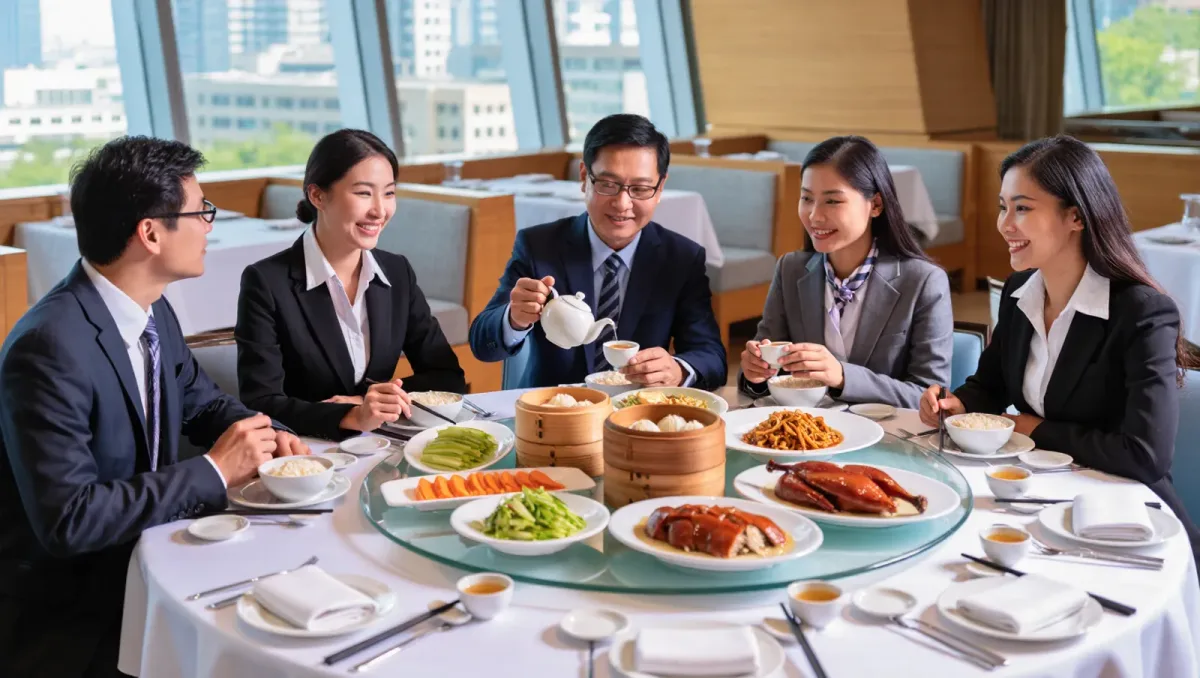
Midtown's sit-down rooms run the format with a collar on: the prix-fixe “executive lunch,” two to three courses at $25 to $45, served fast enough to finish in an hour. The white-linen version of the same deal clusters around the classic power-lunch blocks — the East Side avenues and the Rockefeller-adjacent grid — where kitchens have run abbreviated noon menus since the 1970s. The value here is room and pace as much as plate: a tablecloth, a waiter, and an out-by-1:30 guarantee at a third of the dinner check.
Chinatown, Curry Hill, and the ethnic-corridor specials
The deepest discounts on the island sit in the neighborhood corridors: the rice plates and noodle lunches below Canal, the thali and biryani noon deals around Curry Hill on Lexington Avenue's 20s and 30s blocks, the falafel-and-plate lunches along the Atlantic-adjacent strips of Lower Manhattan. These are not marketed as specials — they are simply the priced-for-the-neighborhood menu — and they run $8 to $15 for a plate that anchors a whole afternoon. The trade-off is the clock: these kitchens cook to the neighborhood's rhythm, peak at 12:30 sharp, and wind down early.
The hospital and hotel cafeterias nobody plans for
Two of the island's best lunch values hide in institutions. Hospital cafeterias around the medical corridor on the Upper East Side open their steam tables to the public on weekdays, plating hot entrées at prices the corridor's restaurants cannot touch. Hotel cafeterias and coffee shops — the ground-floor grills of the Midtown hotel stock — run lunch plates in the mid-teens with the hotel's kitchen behind them, and unlike the fine-dining prix-fixe they take walk-ins without a booking. Neither advertises. Both are exactly the fixed-cost logic of the lunch special applied by institutions whose kitchens run whether or not the public shows up, and both are worth a regular's afternoon route.
How to build a working lunch system
Three habits convert the terrain into savings. Track the two-seatings clock: order at 11:45 or 1:45 and every format on this list serves faster and treats you better than at 12:30. Check the dinner menu before you call a lunch special special — the 30-to-40-percent discount is the honest benchmark. And match the format to the day: prix-fixe lunch on Tuesday when the fine-dining rooms are slow, combo counters on Thursday when the corridor is slammed and speed matters. The lunch special is Manhattan pricing the same kitchen at two prices; the trick is simply being at the right one of the two.