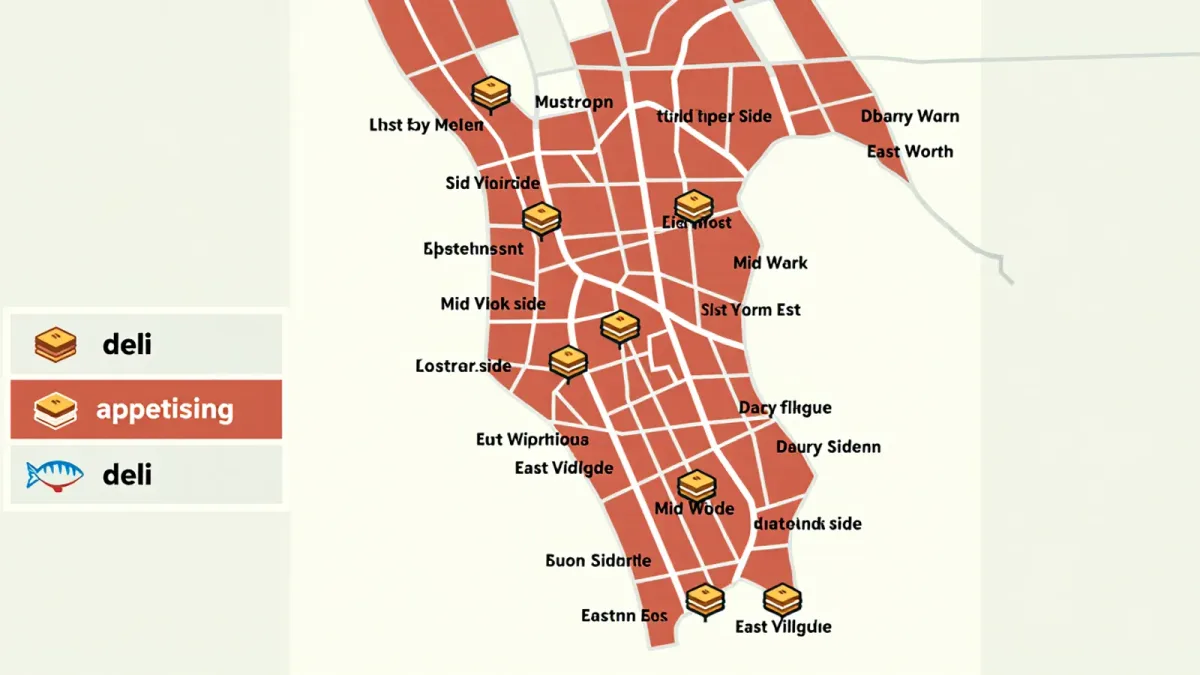
The Jewish delicatessen survives in Manhattan in two forms, and telling them apart is the first skill of eating it well. The deli — meat side, kosher-style, pastrami carved to order — and the appetizing store — dairy side, smoked fish and bagels — were once separate institutions by religious rule, and both remain on the island as of July 2026, though the map has thinned since the mid-century peak, when Jewish counters ran for blocks up Second and Third avenues. This guide maps the tradition's remaining strongholds by format and neighborhood, with criteria stated: every entry is a long-operating counter as of July 2026, chosen to represent its format rather than to rank.
What is the difference between a deli and an appetizing store?
The split is kosher: meat and dairy cannot share a table under the law, so the tradition built two institutions. The deli handles cured and smoked meats — pastrami, corned beef, brisket, knoblewurst — with rye bread and pickles on the side. The appetizing store handles the dairy side — lox, sable, sturgeon, whitefish salad, cream cheese, and the bagels that carry them. New York shortened “appetizing store” to “appetizing,” and the word survives on the island's storefronts. The practical consequence for the eater: a pastrami sandwich and a bagel with lox come from two different counters, and the classic mistake is ordering one at the other.
The pastrami counters: the meat-side strongholds
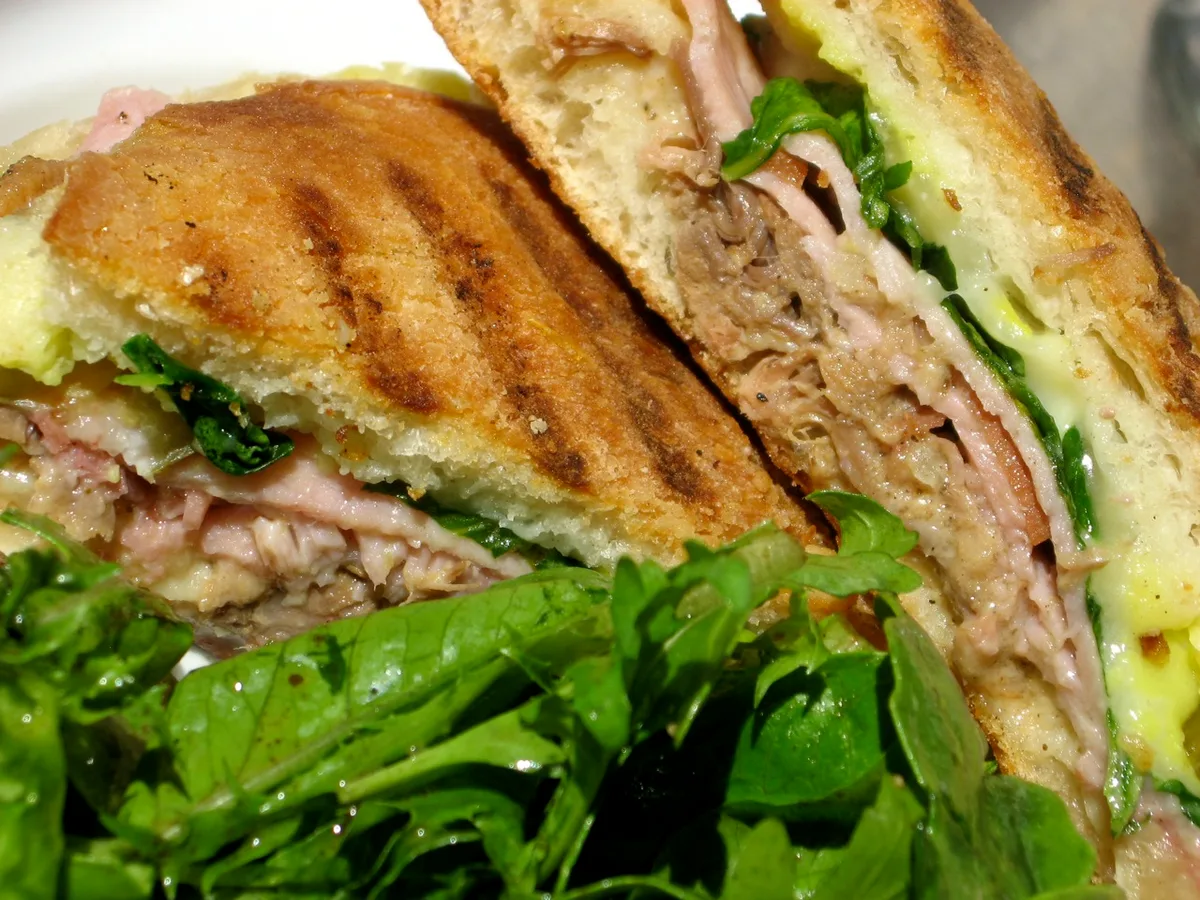
The island's meat-side tradition holds at a handful of counters, led by the two 2nd Avenue Deli locations — the Upper East Side and Murray Hill rooms carrying the name of the original Second Avenue institution that closed in 2006 — where the pastrami is steamed, hand-carved, and served doubled over rye, per the operators' own menus. Katz's Delicatessen on Ludlow Street, on the Lower East Side since 1888, remains the format's theater: ticket in hand, counter line, carver tipping a slice off the board as you wait, per the deli's own posted history. The rules at both are the same: the sandwich is the menu's center of gravity, the mustard is the correct condiment, and the half-sour pickle arrives without asking.
The appetizing side: smoked fish and the bagel counters
The dairy side outlasted the meat side on the island. Russ & Daughters, on Houston Street since 1918 per the family's own history, remains the classic — sliced Gaspé Nova, sable, sturgeon, and the condiment architecture of cream cheese, tomato, onion, and capers — with a second counter inside the Essex Market. The Upper West Side carries Barney Greengrass, “the Sturgeon King,” on Amsterdam Avenue since 1908, where the dining-room tables serve the same repertoire with scrambled eggs and onions. Order by weight or by sandwich; both counters slice to order, and the fish should be cut in front of you, never pulled from a bin.
The restaurant side: matzo ball soup and the sit-down rooms
Between the carving counters and the fish stores sits the third format: the sit-down kosher-style restaurant, where the menu runs chicken soup with matzo ball, potato latkes, stuffed cabbage, and egg cream, served at tables with paper placemats. The 2nd Avenue Deli rooms run the fullest version in Manhattan, and the format's rules are the tradition's comfort rules: the soup arrives first, the latkes come with applesauce or sour cream but never both at a kosher table, and the egg cream contains neither egg nor cream. Prices sit below the carving-counter sandwiches, and the rooms welcome the solo eater better than any counter on this map — a working lunch tradition that survives in plain sight.
Where the map thinned, and why
The tradition's geography tells the story of the island's rents. The mid-century deli rows of Second and Third avenues — blocks that once ran counter after counter — gave way to the same lease math that has flattened every cheap-format institution in Manhattan, leaving the survivors at destination addresses rather than neighborhood ones. The format's living culture migrated outward: Brooklyn and Queens now hold more of the working-class counters, while Manhattan keeps the flagships and the tourists they draw. The honest consequence: a Manhattan deli visit in 2026 is a pilgrimage to a named counter, not a neighborhood habit — with the exception of the Upper West Side, where Barney Greengrass still functions as a local breakfast room.
How to order at a Manhattan deli
The counter has rules, and they are enforced with pride. At the carving counters, order at the station, not the register; know your bread — rye, seeded, never plain white — and your mustard; and let the carver choose the cut's lean-to-fatty balance unless you specify. The lexicon helps: “lean,” “moist,” “all fat,” and “with everything” each change the sandwich, and the carvers respect a customer who uses them. Expect the sandwich at $25 and up at the named counters as of 2026 — the price of hand-carved cured meat in Manhattan — and expect a plate that one person cannot finish. That, too, is the tradition: the sandwich outlasts the appetite, and the pickle cuts the fat at the end.