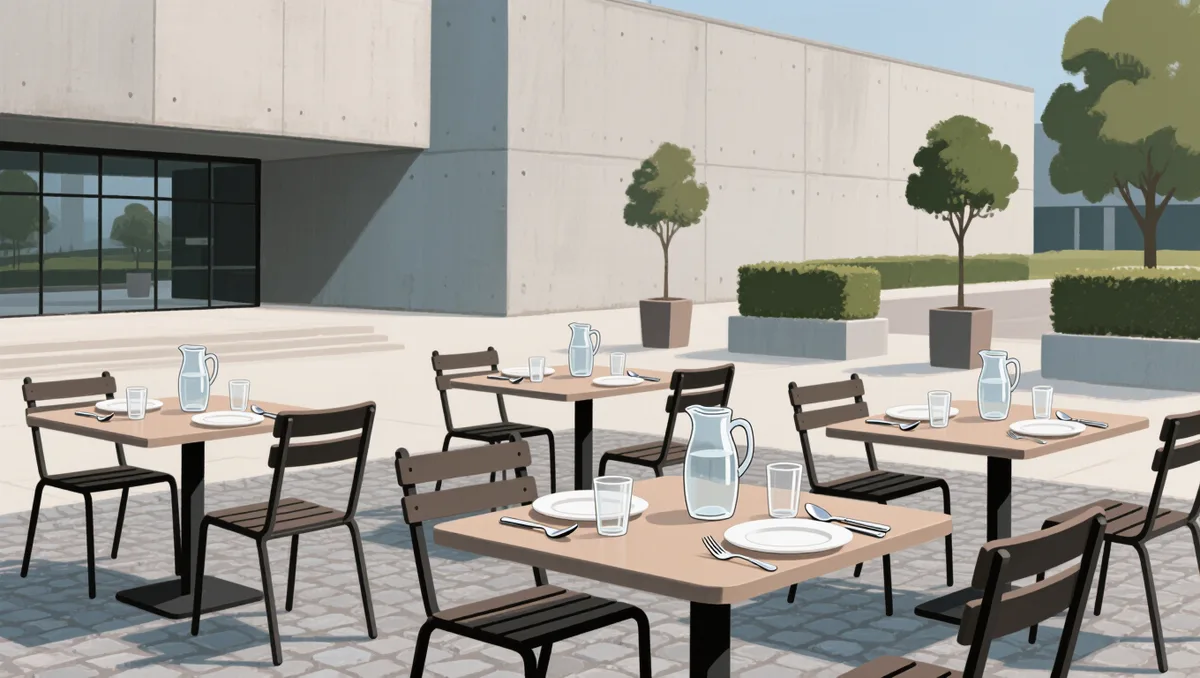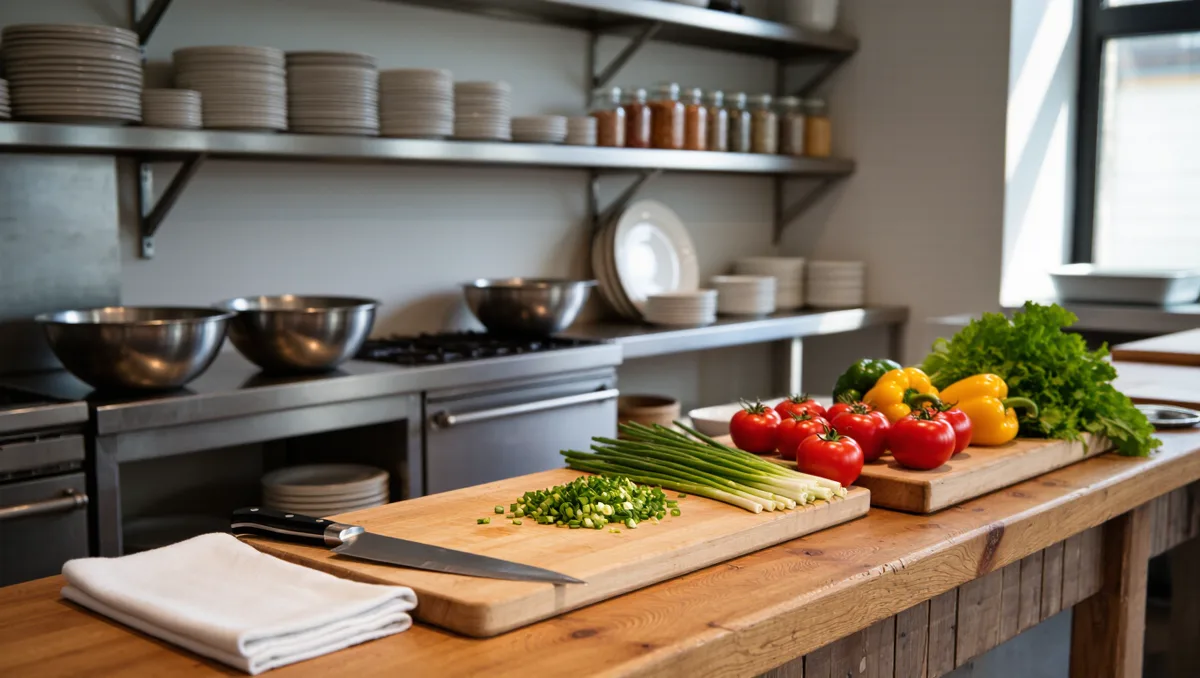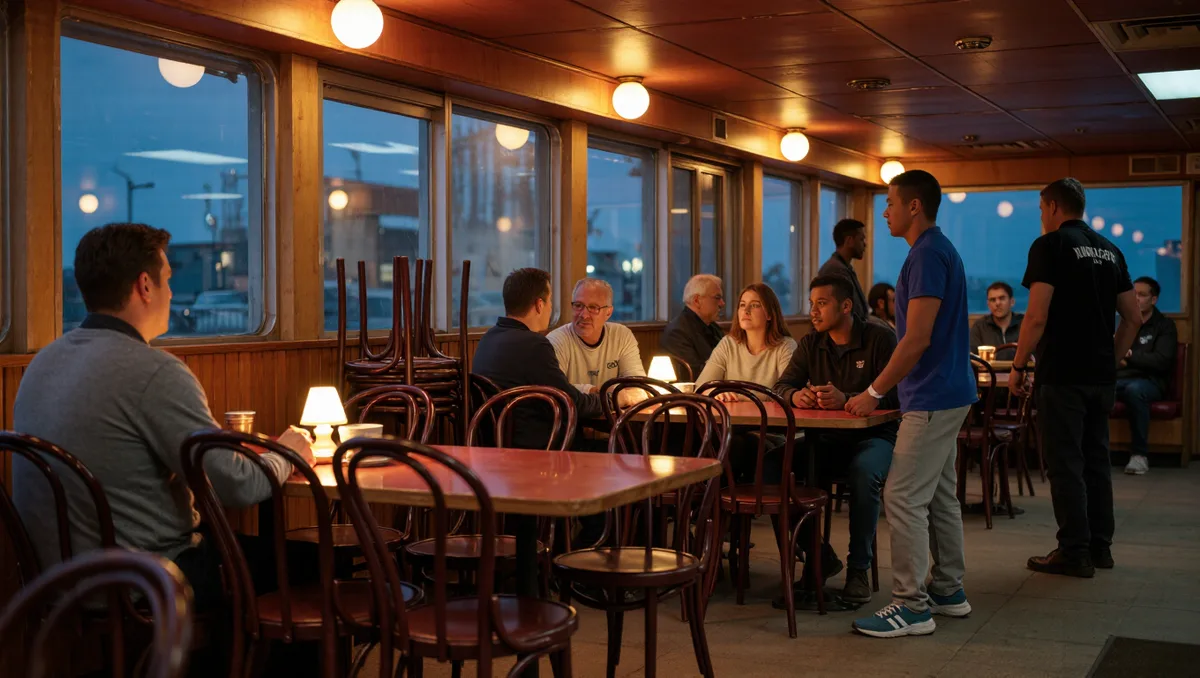
A restaurant scene on screen does something no menu can. It hands the viewer a whole room at once: the light, the noise, the waiter's timing, the look on the diner's face when the plate lands. That is why film and television keep returning to dining rooms, and why the rooms themselves feel the aftershock. The screen sells an idea of a restaurant, and the idea travels faster than any review.
The pull is easy to explain. Pop culture, by its nature, aims wide. As the Wikipedia entry on pop music notes, citing the music scholar Simon Frith, pop is produced "as a matter of enterprise not art" and is "designed to appeal to everyone" — professionally packaged, made for mass reach rather than a narrow taste. A memorable dining scene works the same way. It is not a recipe or a reservation policy. It is a feeling, delivered to millions at once, and feelings are what people book tables to chase.
Why does a fictional restaurant make us hungry?
Watch any well-made dining scene and notice what it borrows from real service. The rhythm of a good restaurant — order, wait, arrival, reaction — is already a story structure. Writers did not invent it; they found it. A plate set down at the right beat does the work a musical cue would. The camera lingers because the food is genuinely visual, and because the diner's face tells the audience what to feel before a single line of dialogue explains it.
There is also the room itself. A dining room on screen is a ready-made set with built-in drama: strangers at close tables, money on the table, a language (the menu) the audience half-knows. Even the check becomes a prop. Our own guide to the unwritten rules of eating out in Manhattan covers the check ballet in real life; on screen, the same ritual compresses into a glance and a credit card. The scene works because the audience has lived some version of it. Readers following this should also see The unwritten rules of eating out in Manhattan: reservations, the bar seat and the check ballet.
What happens to the real restaurant after the screen shows it?
The pattern repeats often enough that operators plan for it. A dining room appears in a popular show or film, and demand follows. The shape of the demand matters more than its size. Screen fame rarely sends diners to a specific dish with a critic's precision. It sends them chasing the room: the seat by the window, the counter, the booth with the right light. Operators who understand this adjust. They protect the seats that read well. They add a dish or two that nods to what viewers think they saw, without rebuilding the menu around a cameo.
The harder effect is quieter. Screen dining scenes raise the general appetite for a style of room, not just one address. A run of shows set in dim, moody sake bars, and suddenly every neighborhood wants one. A rom-com heroines' brunch spot with a garden patio, and patios multiply. The trend moves through the industry the way fashion moves: a few visible examples, then a wave of interpretation, then the inevitable correction when the style starts to feel like a set rather than a restaurant.
What this means for New York
New York sits at the center of this loop because it is both a filming location and a dining capital. The city's rooms appear on screen constantly, and the city's diners watch. A block that hosts a shoot gains a story; the restaurant on that block gains a question it will answer for years, every time a new customer asks whether this is the place from the thing. Operators handle that attention differently. Some lean in and print the connection on the menu. Some let the room speak and correct the record table by table.
The deeper point is that the screen and the dining room have always traded ideas. Our feature on New York restaurants in film and literature traces that exchange through the city's fictional dining rooms, from literary lunch tables to the movie versions of the power meal. What streaming has changed is speed and volume. A scene that once reached audiences over months of theatrical release now reaches them in a weekend, and the request for "the table from the show" arrives the following Friday. This connects to our earlier piece, Lunch at the Algonquin, dinner at the River Café of the mind: New York restaurants in film and literature.
How chefs and operators actually respond
Talk to people in the business — and here we are summarizing the industry's own public discussion, not reporting a visit — and the responses cluster into a few moves. The first is hospitality toward the pilgrim. A diner who arrived because of a screen is still a diner, and the smartest rooms treat the reference as a door rather than a joke. The second is menu honesty. A restaurant can honor a famous association without pretending; the hidden language of a menu already tells regulars what is real and what is for the room. A screen-inspired dish sits badly in that language if it is pure costume.
The third move is the long view. Screen attention decays. Shows end their runs, and the crowds thin. Operators who rebuild a business around a fictional moment usually regret it; operators who treat the moment as a spike on top of a real foundation tend to keep the new guests who came for the screen and stayed for the food. That is the honest test of the whole cycle: whether the room can survive being seen.
Our analysis: the screen is a mirror, not a menu
Step back and the relationship looks less like influence than like a mirror held up at high brightness. Pop culture does not invent restaurant trends from nothing; it amplifies what already glitters. A scene makes a style of room legible to people who would never have read about it, and the restaurant business, which reads demand for a living, responds. The loop tightens each time a show is set in a real, named room — the fiction borrows credibility from the place, and the place borrows reach from the fiction.
The word itself has come a long way to carry all this. Merriam-Webster's entry on "pop" records senses running from a sharp burst to colors that "pop" out of a frame — suddenness, visibility, a small explosion of attention. That is precisely what a dining scene does for a restaurant. It makes the room pop. What the room does next is up to the people running it.
What the evidence here establishes is the mechanism, not any single number: screens make dining rooms visible at scale, visibility converts to demand, and demand reshapes rooms. What remains unknown, room by room, is how long each spike lasts and which guests stay. That answer is written on the books, not on the screen.