Manhattan dining runs on unwritten rules that no host explains and every regular knows. They were not invented; they accreted, from real estate constraints, subway clocks and the sheer volume of covers a Manhattan room turns. Here is the working set.
How strictly do reservations actually work?
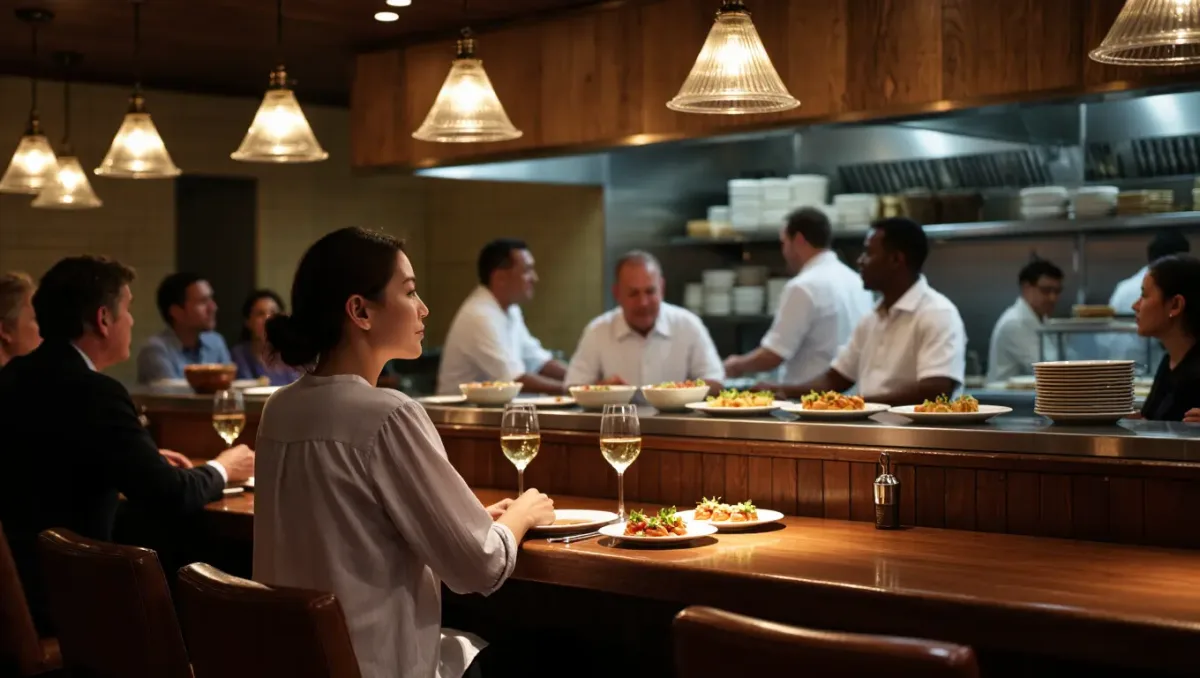
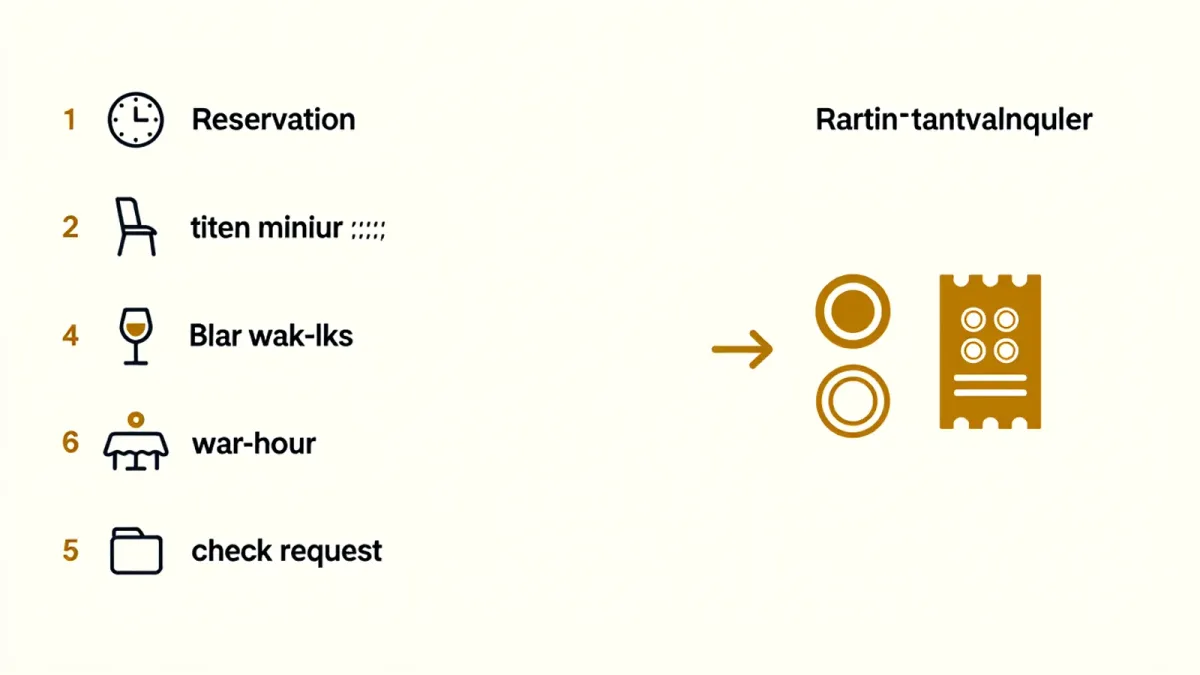
More strictly than most cities, because the tables are smaller and the turnover is planned to the minute. The local contract: book, show within fifteen minutes, and if plans die, cancel — a no-show costs a two-top its whole evening's slot and, increasingly, a fee. Walk-ins are real but conditional: bar and counter seats absorb the unbooked, and the bar-seat economy is one of the city's genuine inventions, turning the wait into a cocktail and a conversation with the staff.
What is the deal with seating and timing?
Nobody seats a party until it is substantially present — the rule exists because a half-present party blocks a turn. Two hours is the standard table; linger at the bar, not in the seat, if the room is full. Splitting checks is handled by asking once, early, not by itemizing after the fact. And the phone stays off the table: rooms are loud and close, and the table you take belongs briefly to everyone around it.
How does the check actually end?
The check does not arrive until asked in most rooms — lingering after plates is not an insult, but the check ballet has its own protocol: request it, review it, and pay without ceremony. Card-and-cash norms, service charges for large parties, and the rise of QR payment have all been absorbed without changing the core: the transaction is quiet, prompt and private. The one universal rule underneath all of them: Manhattan restaurants are rooms of scarcity, and the etiquette — like the room's design itself — exists to move a full house gracefully through its evening. Master that, and any door on the island opens.