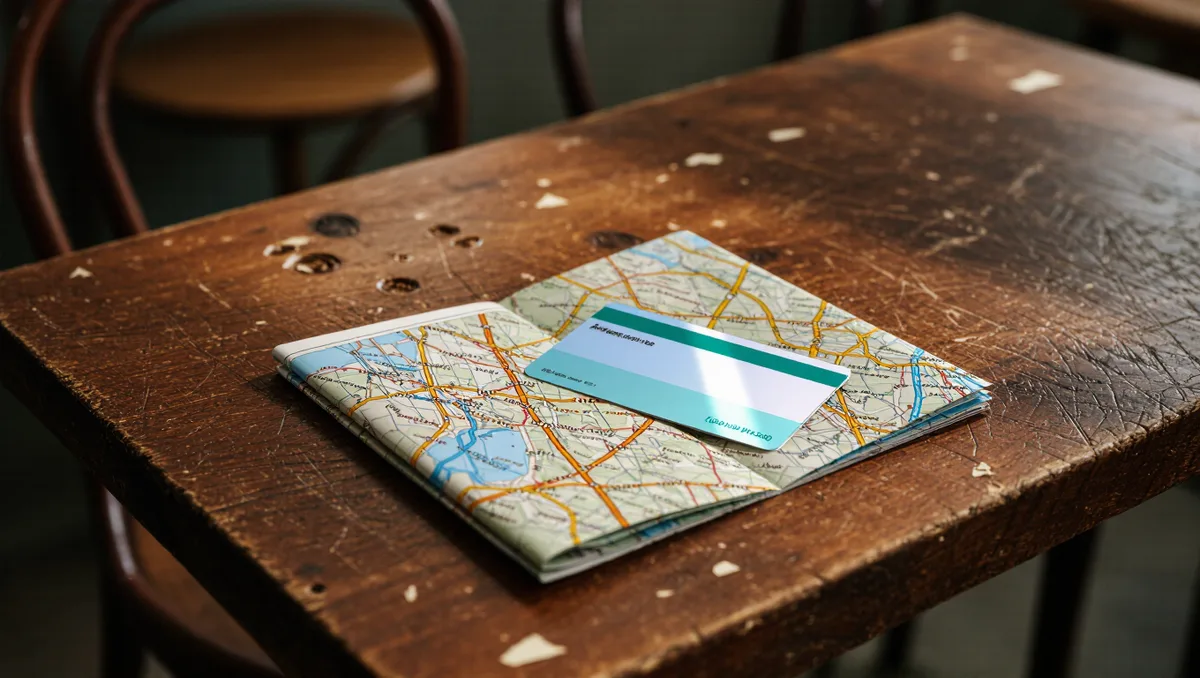
A culture pass is a simple idea with a big payoff: your public library card becomes a ticket. Reserve a pass online, pick a date, and walk into a museum that would otherwise charge admission. The program runs through the library system, not the museums themselves, so the sign-up lives on the library's side of the fence.
For New Yorkers, the appeal is obvious. Admission at major museums adds up fast, especially for a family of four. A pass turns a pricey afternoon into a free one. It also nudges people into smaller institutions they might never buy a ticket for, which is where the city's most idiosyncratic collections live.
How does it work in practice? Get a library card, log into the culture pass portal, browse participating venues, and reserve a pass for a specific day. Most programs limit how many passes a household can claim in a year, and popular venues fill up quickly, so booking early matters. Each pass usually covers one visit for a set number of people, and some venues skip the busiest days.
What does a culture pass actually cover?
Coverage varies by city and by venue. In most library-based programs, the pass unlocks general admission. Special exhibitions, timed events, and add-ons often sit outside it, and some museums cap the number of visitors per pass. Read the fine print on the reservation page before you plan a day around it.
The model is broader than museums, too. Many programs fold in botanical gardens, historic houses, and performance venues. The through-line is access: institutions that would otherwise gate their doors behind a ticket window open them to anyone with a library card.
Why do libraries run this? Because access to culture is part of the library's job. UNESCO frames museums and heritage as things that enrich lives and help build inclusive, resilient communities, and library pass programs put that idea into local practice. The library card, already free, becomes the key.
How to plan a free museum day
Start with the reservation, not the itinerary. Passes for popular venues go fast, and many programs let you hold only one or two active reservations at a time. Pick your date, lock the pass, then build the day around it.
Pair the museum with the neighborhood. A museum visit eats two or three hours, which leaves plenty of room for lunch nearby. If you're plotting the food half of the day, our guide to booking a table in Manhattan covers the reservation mechanics, and the same logic applies: plan early, know the cancellation terms.
Check the pass's rules on guests. Some passes cover a cardholder plus one; others cover a household. If you're meeting friends, they may need their own reservations. And bring the library card itself. Some venues scan it at the door alongside the pass confirmation. We covered a connected angle in The unwritten rules of eating out in Manhattan: reservations, the bar seat and the check ballet.
What this means for how the city eats and sees
Free admission changes behavior. When the ticket cost drops to zero, people take smaller swings: the historic house they've walked past for a decade, the gallery-museum in a quiet corner, the collection that isn't on any tourist list. That's the quiet achievement of the pass model. It widens the circle of who shows up.
It also connects two halves of city life that usually run on separate budgets. A free morning at a museum makes room in the day's spending for a proper lunch, and the city's dining culture rewards that. The culture of eating out here has always been braided with the culture of looking at things: the dining room after the exhibition, the counter after the archive. A pass program quietly funds that rhythm.
Worth remembering, too, how elastic the word itself is. Britannica defines culture as behavior and material objects bound together: language, beliefs, institutions, works of art, rituals, ceremonies. A museum pass sits squarely in that definition. So does the slice joint on the way home, which is its own piece of the city's inheritance, as our history of New York pizza by the piece traces.
The limits, honestly stated
A culture pass is not a backstage pass. Expect restrictions: blackout dates, guest limits, no special exhibitions, no repeated visits to the same venue within a short window. Expect scarcity at the headline institutions. The pass works best for the flexible visitor, the one who will trade the famous museum for the excellent one with open slots.
There's also a booking discipline to it. Reservations expire if unclaimed, and no-shows can cost you future eligibility in some programs. Treat the pass like any other timed entry: claim it if you'll use it, cancel it if you won't.
None of this diminishes the deal. For the cost of a free library card, the pass opens doors that admission prices keep shut, and it does so on the city's own terms: block by block, institution by institution, one reserved Tuesday at a time.
Where to start
If you hold a New York library card, check the culture pass portal for participating venues and current reservation rules, since both change. If you're visiting from out of town, note that most library pass programs require local residency, so the free route may not apply to you. Either way, the museums are still there, and many keep their own free or pay-what-you-wish hours. The pass just makes the whole calendar cheaper. For related coverage, see The slice is the system: a short history of New York pizza by the piece.
The takeaway: a culture pass converts a library card into museum admission, with reservations, guest limits, and blackout dates as the trade. Plan the reservation first, build the meal second, and let the pass take you somewhere you wouldn't have paid to go, which is often exactly where the city keeps its best stuff.