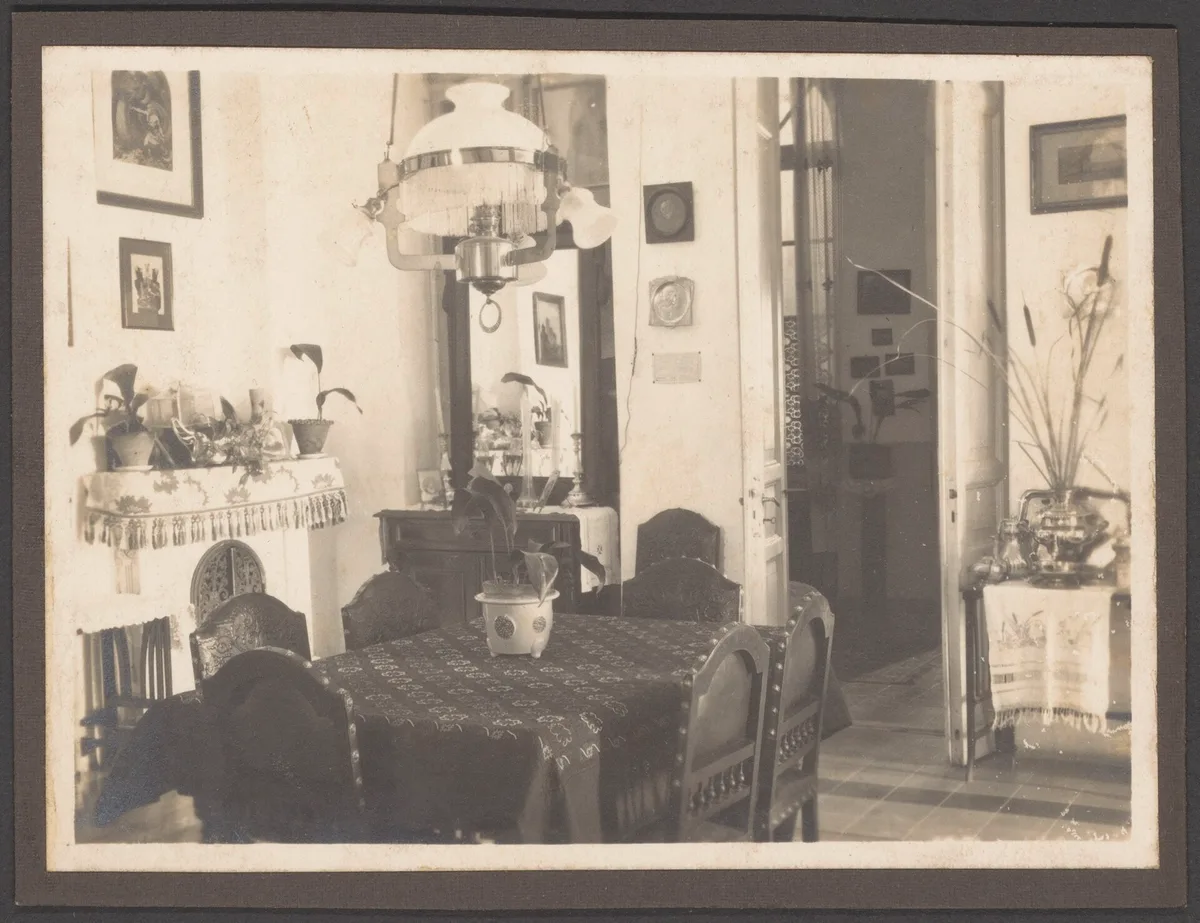
Tables and chairs are sold apart, but they live as a pair. Shop for one without the other and you get the classic mistakes: seats too low for the top, arms that never slide under the apron, a room that looks assembled rather than chosen. Matching chairs to a table is really three checks: height, fit, and character.
None of the checks needs training or tools beyond a tape measure. You can run all of them in a showroom, or at home before new chairs ship. Here is each one in turn.
Start With Seat Height
Height is the dealbreaker. If the seat sits wrong against the tabletop, nothing else about the chair matters. There is a useful anchor in the data: Wikipedia's entry on chairs notes that mass-produced chairs are typically 17 inches high at the seat, while dining tables cluster near the upper end of the common 18-to-30-inch table range described in its entry on tables.
You are not shopping for a specific number, though. You are shopping for a posture: thighs level, feet flat, and clear air between lap and apron. Sit before you buy, and sit the way your guests will, with a plate in front of them and a conversation running. We covered a connected angle in A $6 slice and a $300 tasting menu sit ten blocks apart: the math behind both ends of Manhattan dining.
Watch the Apron and the Arms
Two details hide in plain sight. The apron is the rail under many tabletops, and it quietly shrinks the knee room that a tall chair with a thick seat was counting on. Always check the gap between seat and apron, not just seat and top.
Arms add comfort and complicate fit. An armchair works at the head of a rectangular table if its arms clear the apron, and it instantly reads as the seat of honor. Side chairs without arms slide in anywhere, which makes them the flexible players in any set. Readers following this should also see Dining Room Table Shapes Explained: Round vs Rectangular.
Bench seating plays by the same rules with a twist. A bench slides fully under the apron and frees a walkway, but sitters share one surface, so wobble and cushion seams become everyone's problem. Test any bench with two people, not one.
Match Character, Not Necessarily the Catalog
A matched set is the safe road, but it is not the only road. Mixed seating looks intentional when one thread repeats: the same wood tone, the same cushion fabric, or the same general era. Break every thread and the room turns chaotic; repeat two threads and it looks curated.
Materials give you that thread. Chairs can be made from wood, metal, or other strong materials like stone or acrylic, as the same source notes, and the seat and back can differ from the frame. Echo the table's material somewhere on each chair, and even odd pieces will read as family.
Comfort Keeps People at the Table
Dinner ends when chairs get uncomfortable, so treat comfort as a feature, not a bonus. Depth matters as much as height: mass-produced seats typically run 15 to 17 inches deep, according to Wikipedia, and a seat that is too deep leaves shorter guests perched and strained.
Backs, cushions, and armrests all change how long people stay. A low back keeps a quick breakfast brisk, while a cushioned, supported back invites the after-dinner talk to linger. Choose based on how long your meals usually run.
Rising matters as well. A chair that traps guests until the meal officially ends will not win repeat invitations, so test how easily each seat lets a person stand up and step away.
Conclusion
Pairing chairs with a table is a short checklist in disguise. Confirm seat height and apron clearance first, decide where arms fit and where they do not, repeat one visual thread across mixed pieces, and pick comfort to match your longest meals. Do that and even a hand-me-down table with brand-new chairs will look planned. When in doubt, sit down before you pay.