Round or rectangular? The question sounds cosmetic, but the shape of a dining table quietly decides how a room moves and how a meal feels. Shape controls traffic, sightlines, and who ends up talking to whom. Two tables with the same floor footprint can behave in completely different ways.
This guide compares the two classic shapes in plain terms. No jargon and no trends, just what each shape does well, where it struggles, and how to tell which one your room is quietly asking for.
Why Shape Matters More Than Size
Size decides how many people fit. Shape decides how the room works around them. A shape with corners demands clear space at every corner, while a shape without corners lets hips and shoulders slide past with less fuss. Before arguing over looks, decide what problem the table must solve: tight walkways, awkward corners, or big and frequent gatherings. For related coverage, see Pre-theater dinner, solved: how to eat well around the Broadway houses without missing curtain.
Shape also sets the tone of the meal itself. Corners assign rank and endpoints, which some tables need. Curves treat every seat as an equal. Neither is better; they are simply different tools.
The Case for Round Tables
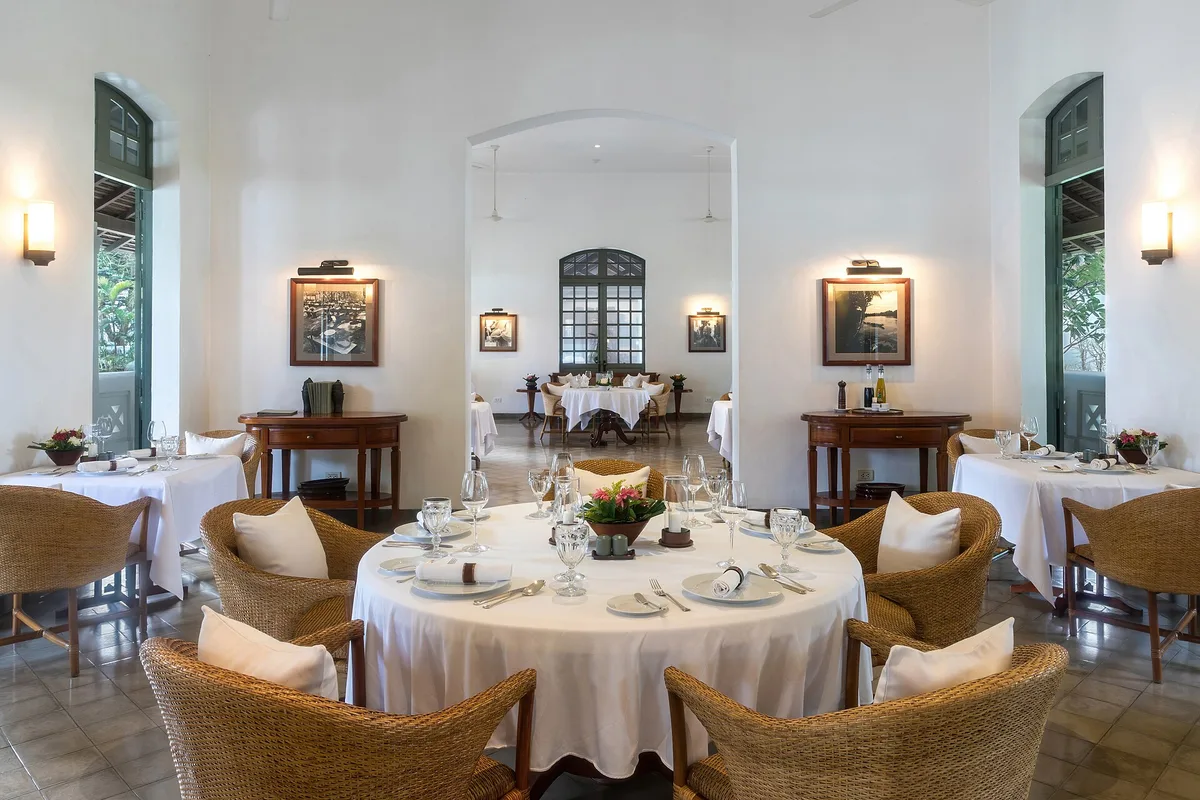
Round tables are social machines. Everyone can see everyone, so conversation stays shared instead of splitting into end-of-table factions. Dishes pass smoothly, nobody dreads the corner seat, and there are no sharp edges for a toddler to find.
The shape suits small and square rooms too. A circle turns easily in a space where a rectangle would jam, and it can tuck into a corner between meals to free up floor. History leans their way as well: according to Wikipedia's history of the table, eating tables in the Middle Ages were large and often round or semicircular, and a small round table paired with a lectern was a popular writing setup. The communal feel of the circle is very old.
The tradeoff is capacity. A wide round table strands its middle under a centerpiece, and seats spread apart as the diameter grows, so big groups end up squeezed or scattered. This connects to our earlier piece, A $6 slice and a $300 tasting menu sit ten blocks apart: the math behind both ends of Manhattan dining.
The Case for Rectangular Tables
Rectangular tables are the workhorses. They seat more people for the same floor area, line up neatly along a wall or under a light fixture, and suit long, narrow rooms that a circle would fight. They also stage food well: platters travel down the middle, and every seat reaches something.
Their pedigree is just as deep. Wikipedia notes that the Greeks and Romans made frequent use of tables for eating, and that larger rectangular tables were made of separate platforms and pillars. When you host a crowd at a long table, you are joining a very old tradition.
The tradeoffs are real. Corners snag hips and shins in tight rooms, and the head seats quietly become the seats of honor, which some gatherings love and others quietly resent.
When a Hybrid Shape Wins
Not every table must pick a side. Oval tables round off a rectangle's corners while keeping most of its capacity, which eases traffic in tight rooms. Wikipedia lists rectangular, square, rounded, semi-circular, and oval tops among common design elements, so the middle ground has long been standard equipment.
Extendable tables shift identity on demand. A round table that opens with a leaf becomes a rectangle for the holidays and returns to a circle for Tuesday dinner. For homes that host at both scales, that flexibility is worth more than any single fixed shape.
Conclusion
Choose round if your room is small, square, or starved for easy conversation. Choose rectangular if you host big groups, own a long room, or like a clear head of the table. When you cannot decide, an oval or an extendable model buys you both behaviors in one piece of furniture. Measure the room, picture the biggest crowd you actually host, and let the space pick the shape.