When Henri Soulé opened Le Pavillon in 1941, at Fifth Avenue and 55th Street, Manhattan had grand hotels and chop houses but very little it recognized as fine dining in the European sense. The French refugees of the great kitchens changed that within a decade — and the vocabulary they installed, from the maitre d' to the tasting menu, is still the operating system of American fine dining.
What did the French houses actually invent here?
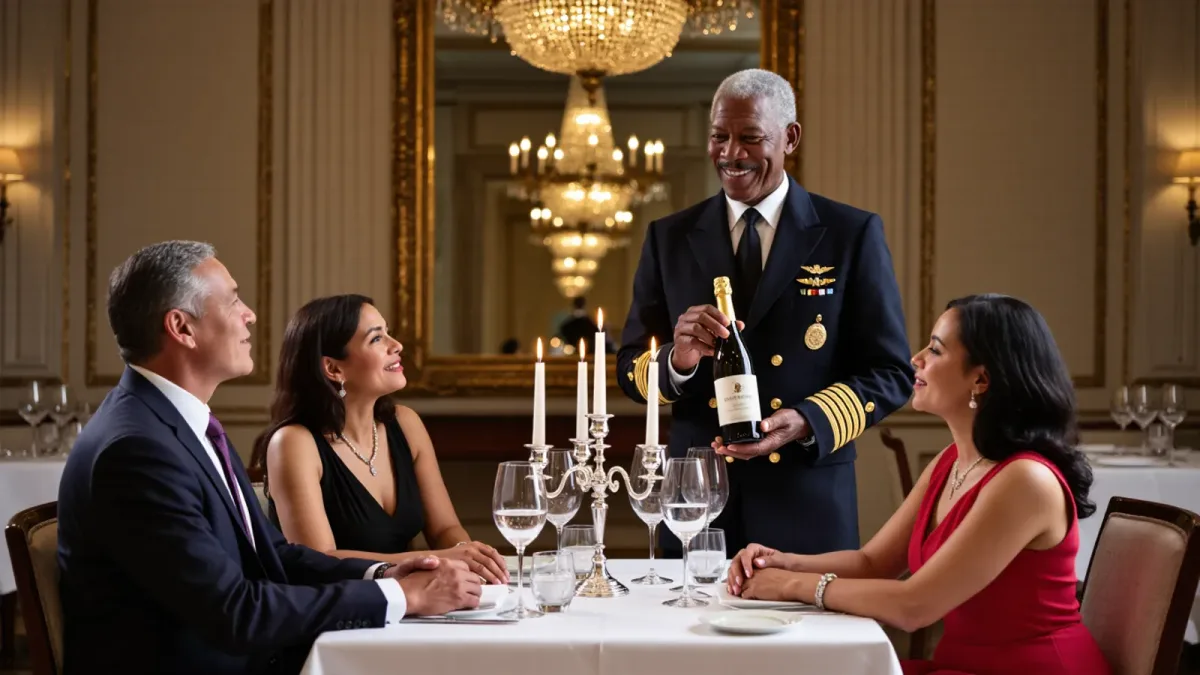
Not the cooking, which they imported; the discipline. Le Pavillon and its peers standardized what a New York diner now treats as universal: the greeter who knows the reservation, the choreography of courses, the wine steward as a profession, the kitchen brigade running a pass at volume without visible stress. They also established the economics — high covers justified by labor-heavy service — that let a dining room employ forty people for a hundred covers a night, a model American kitchens had not attempted.
What happened when the French monopoly broke?
The 1970s through the 1990s loosened it in stages: American-born cooks trained in French kitchens opened rooms cooking American ingredients with French technique, and New York's fine-dining canon widened to include its own farms, cheeses and fishes. The French houses' direct descendants remain at the top of the guides — several of the city's most decorated rooms today are French in name, lineage or method — but the inheritance is broader than any single cuisine. It is the expectation that a great restaurant is a total production: room, service, wine, and kitchen in one choreography.
What survives in 2026?
The tasting-menu room, the chef's counter, the professionalized front-of-house career — all are Le Pavillon's descendants, even when the menu is Japanese, Scandinavian or Filipino. When a Midtown dining room trains servers for weeks before opening night, it is running a playbook written on Fifth Avenue in 1941. The French taught Manhattan that a dinner could be theater with a kitchen for a backstage, and Manhattan has been restaging the show in every accent the city has acquired since.