Pastry runs on a ladder that forks earlier than the savory kitchen's, and the fork decides everything about a New York pastry career. A pastry cook can climb the restaurant track — pastry garde manger, pastry sous, executive pastry chef of a dining room — or the production track of bakeries and pastry shops, where the day starts at 4 a.m. and the product is volume rather than plates. Both tracks run through the same fundamentals, both are hiring in Manhattan year-round, and the two pay on different curves as of 2026. This guide maps the pastry kitchen's rungs, the training routes in and around the city, and the fork's practical math.
What does a pastry chef actually do in a restaurant?
In a Manhattan dining room, the pastry section builds and finishes the dessert menu: plated desserts, ice creams and sorbets, mignardises, and — increasingly in recent seasons — the bread program. The section runs small: a serious 80-seat room may field a pastry sous and one or two pastry cooks, compared with a savory line of eight or more, which is why restaurant pastry teaches depth faster but offers fewer seats. The chef de cuisine owns the menu in most rooms, and the pastry chef negotiates a place on it — the job is part recipe development, part diplomacy, and part nightly showmanship at the pass.
And on the bakery side?
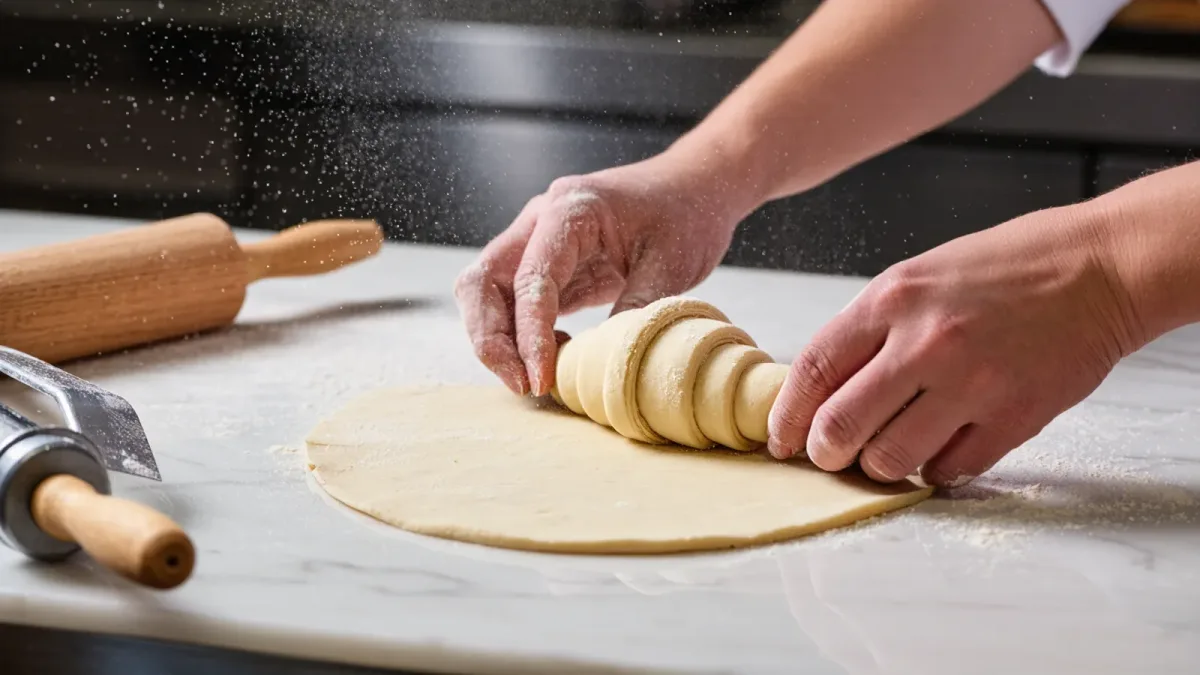
The production track scales differently. A Manhattan bakery — the sourdough-and-croissant counters that multiplied across the island through the 2010s — runs a production brigade led by a head baker or executive pastry chef, with laminated dough, viennoiserie, and morning-bun schedules that start before dawn and repeat exactly. The craft here is consistency at volume: a bakery counter that sells 400 croissants before noon has a tighter tolerance for error than any plated dessert. The track's trade-off is visible in the title: bakers' overtime laws regulate the schedule and the pay premium that comes with it, but the ceiling — owning the shop — is the same chef-owner climb as any restaurant, with bread-margin economics on the debit side.
Do you need school to go into pastry?
No, but pastry is where formal training buys the most. The technique stack — sugar work, laminated doughs, chocolate tempering, plated-dessert composition — is structured and teachable, which is why the city's professional pastry diploma programs, at institutions such as the Institute of Culinary Education and the French culinary schools that shaped New York's pastry generations, pack months of fundamentals into intensive terms. The alternative is the apprenticeship route: bread baker or pastry cook at a production shop, where the 4 a.m. shift teaches laminating by repetition. The pragmatic order for career changers: a short intensive program for the vocabulary, then a production or restaurant pastry job for the speed, then specialization. Credentials open interviews; repetition builds careers.
How does the ladder run, and how long does it take?
The restaurant pastry ladder runs pastry cook, pastry sous, executive pastry chef — typically two to four years per rung, comparable to the savory kitchen but with fewer seats competing for each promotion. The production ladder runs baker, senior baker, head baker, with the shop-ownership fork after. The third fork, less visible, is the specialist track — chocolatiers, ice-cream makers, and cake studios that build businesses around a single product line, a route Manhattan supports through its wholesale and farmers-market infrastructure. Timelines run eight to twelve years to the top of any of the three, with the production track paying earlier and the restaurant track tipping later.
Where the jobs actually are on the island
Manhattan's pastry employment clusters in three bands. The hotel band — Midtown's grand hotels and their pastry brigades — is the island's largest structured employer, with classic accessions programs and the volume to teach speed. The restaurant band runs through the fine-dining rooms Downtown and on the Upper East Side, where the pastry section is small, senior, and menu-driven. And the production band spreads across the bakery counters of every neighborhood, plus the wholesale commissaries in outer-borough industrial strips that supply the island's cafés. Each band hires differently: the hotels run postings and programs, the restaurants hire by reference and stage, and the bakeries hire fast and promote from the morning shift.
The plated-dessert question: is restaurant pastry shrinking?
A running debate in the city's kitchens concerns the size of the restaurant pastry section: as dining rooms trim menus and labor, the classical plated-dessert program has consolidated, with some rooms outsourcing bread and freezing prep while keeping a small finishing team. The counter-argument sits in the market: Manhattan's dessert-led counters — soft-serve shops, tarts-by-the-slice windows, chocolate ateliers — have built some of the city's longest lines on the strength of pastry technique applied to a single product. The synthesis most career counselors in the trade offer: learn the full classical stack, because the restaurant section is small but the product-led businesses that hire it are multiplying, and the technique transfers at full value.
What does pastry pay in New York?
Honestly: pastry's wages start near the savory line's and lag at the top. New York's wage floor — the city minimum wage rose to $17.00 per hour on January 1, 2026 under the state's posted schedule — applies across pastry and savory alike, and production bakers earn premiums for overnight schedules under state overtime rules. The restaurant pastry chef's compensation improves with the room's caliber, and the executive pastry chef seats at the city's luxury tier pay comparably to senior sous chefs. The wealth, as in the savory kitchen, sits in ownership — and pastry's version of it, the neighborhood bakery, is the rare restaurant business whose core product still sells for single digits.